
Products
Search
Categories
‹
›
‹
›
Description
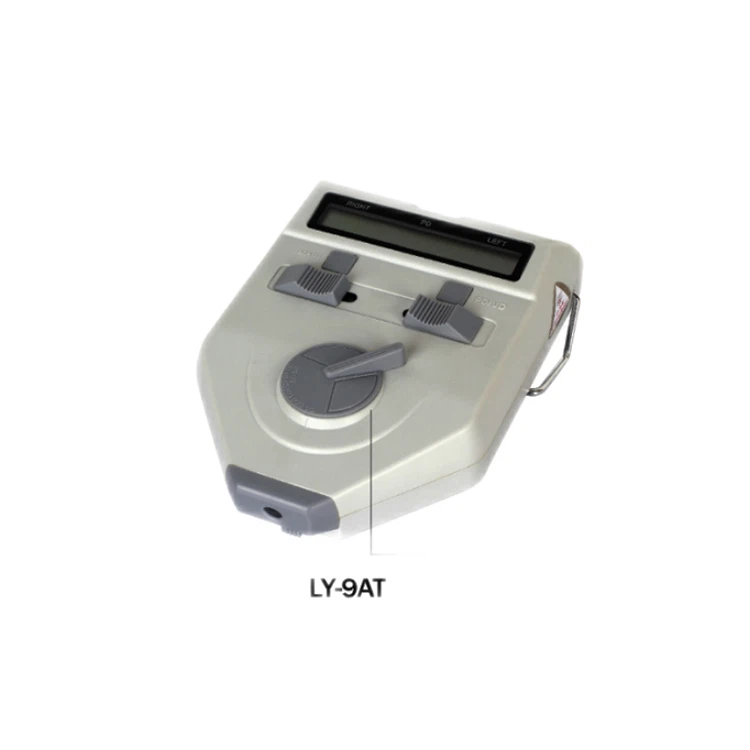
LY-9AT PUPIL DISTANCE METER
The pupillary distance meter is a measuring instrument used in optometry to measure the distance between the two pupils of the human eye.
The interpupillary distance can be divided into binocular interpupillary distance and monocular interpupillary distance. Interpupillary distance refers to the distance from the center of the pupil of the right eye to the center of the pupil of the left eye. Monocular interpupillary distance refers to the distance from the center of the pupil of either the right or left eye to the centerline of the bridge of the nose. Individuals with strabismus, especially those who require progressive multifocal lenses, need to measure their monocular interpupillary distance.
The measuring principle of the pupillary distance meter involves illuminating a visual mark with a light source. The mark is then imaged at a specific working distance in front of the patient's eyes using an optical system.
Consequently, the light forms a reflective point on the surface of the patient's left and right corneas. The optometrist can observe these two reflective points through the eyepiece and adjust the measuring button until the benchmark hairspring aligns with the reflective points of the patient's left and right eyes. The patient's interpupillary distance can then be obtained and displayed on the screen.
Note:
Please choose a well-lit environment.
Ensure the eyes of both individuals are at the same level during measurement for accuracy.
Do not move the device during measurement, as it may cause significant errors.
Ensure both eyes are facing the vertical line in the field of view simultaneously when measuring the interpupillary distance.
How is the Pupil Distance Meter used?
Boot
Insert two AA batteries and press the power button (Main key).
Basic settings
Adjust the working distance (VD) and select binocular or monocular measurement according to the measurement requirements.
Start measuring
Position the device between the examiner and the subject, with the device facing upward.
Ensure the device is level, and both individuals' eyes are at the same level. Place the metal frame on the subject's forehead so that the device is facing the nose.
The subject should look straight ahead, while the examiner observes through the front window. Adjust the left and right sliders until the vertical line aligns with the center of the pupil.
Do not move the device during the test. Repeat the alignment and calibration without moving the slider after alignment.
Reading
Remove the distance meter and read the data. Repeat the test procedure at least three times, combining monocular and binocular measurements as needed.
Specifications:
Related Products
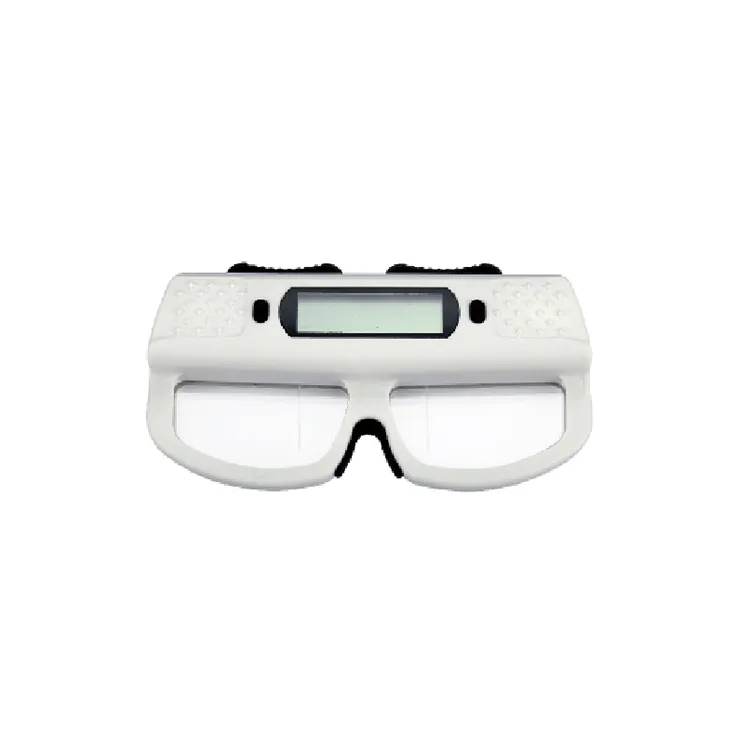
 Eye PD MeterCompared to the traditional PD ruler, the digital eye PD meter offers the convenience of obtaining PD data within a few seconds without requiring a light pen.
 Digital PD RulerSmall size, the net weight is only 200g.
Simple and efficient measurement method
Digital PD ruler uses 23A12V battery, easy to replace at the backside.
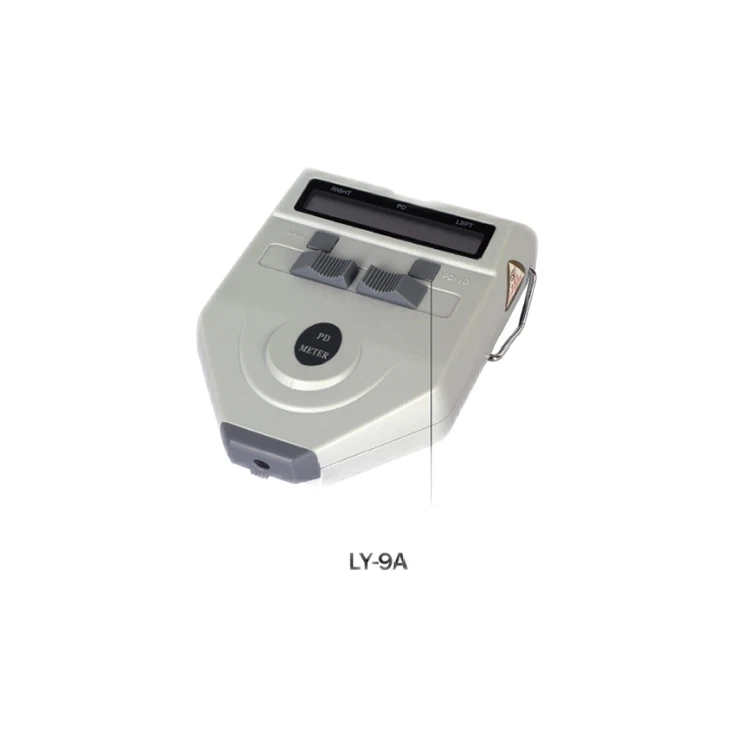
Power off automatically by lying it down after operation; while power on automatically when picking it up Pupillary Distance MeterA clear light source ensures precise measurements. The measurement results are displayed digitally, with separate values for the left eye and right eye. The measuring operation is easy and rapid. The device has an auto power-off feature after the measuring operation is finished. This pupillary distance meter allows for both monocular and binocular measurements.
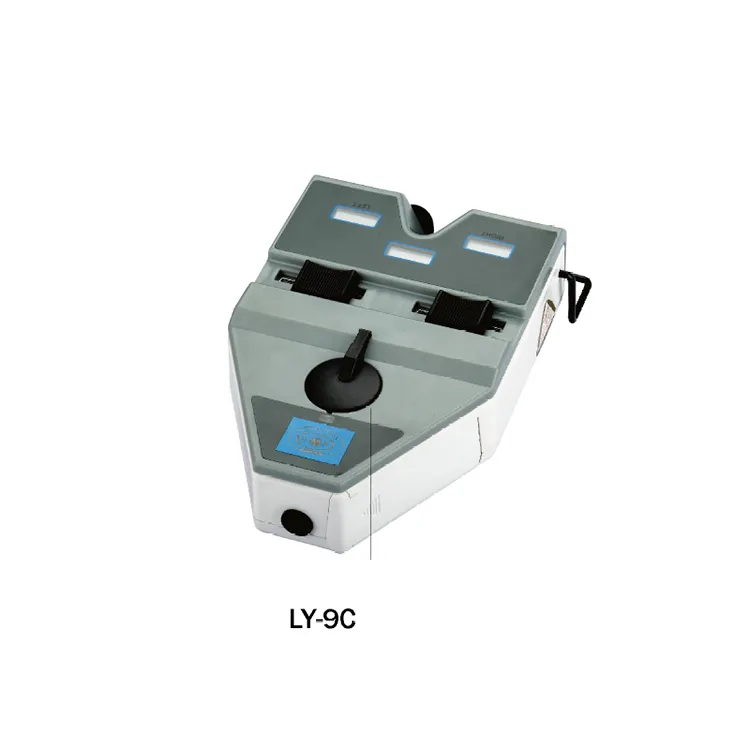
 Pupil Distance MeterThe pupil distance meter is a measuring instrument used to measure the distance between the two pupils of the human eye during optometry.
Get Your Free Quote Now!
Professional Service
Interested? Leave your contact details.
Search Starts Here


